চিত্র:Ephesians 2,12 - Greek atheos.jpg

এই প্রাকদর্শনের আকার: ২২০ × ৯৩ পিক্সেল। অন্যান্য আকার: ৩২০ × ১৩৫ পিক্সেল।
মূল ফাইল (৩২০ × ১৩৫ পিক্সেল, ফাইলের আকার: ৪৫ কিলোবাইট, এমআইএমই ধরন: image/jpeg)

| বিবরণEphesians 2,12 - Greek atheos.jpg |
The Greek word "atheoi" αθεοι ("[those who are] without god") as it appears in the Epistle to the Ephesians 2:12, on the early 3rd-century Papyrus 46. This word - in any of its forms - appears nowhere else in the New Testament or the Koine Greek version of the Old Testament.
|
| তারিখ | End of IInd century - first half of IIIrd century A.D. (?) |
| উৎস | Advanced Papyrological Information System, UM, [1] |
| লেখক |
অজানাUnknown Image uploaded to en.wikipedia by en:User:Brian0918 on 15:48, 29 March 2007. |
| Public domainPublic domainfalsefalse |

|
এই কর্মটি এর উৎস দেশে পাবলিক ডোমেইনে রয়েছে এবং অন্যান্য দেশ ও অঞ্চলে যেখানে কপিরাটের সময়সীমা হচ্ছে লেখকের জীবন যোগ ১০০ বছর বা তাঁর কম।  You must also include a United States public domain tag to indicate why this work is in the public domain in the United States. You must also include a United States public domain tag to indicate why this work is in the public domain in the United States.
|
| এই ফাইলটি কপিরাইট আইনের আওতায় জানা সকল বাধানিষেধ মুক্ত বলে চিহ্নিত হয়েছে, যার মধ্যে সম্পর্কিত সকল স্বত্ব ও নেইবারিং সত্ত্ব সংযুক্ত। | |
https://creativecommons.org/publicdomain/mark/1.0/PDMCreative Commons Public Domain Mark 1.0falsefalse
ক্যাপশন
এই ফাইলটি কী উপস্থাপন করছে তার এক লাইন ব্যাখ্যা যোগ করুন
безбожник...
Yunan sözü "atheoi" αθεοι ("[Tanrısız olanlar") Efeslilərə Məktubda 2: 12-də, 3-cü əsrin əvvəllərində Papirüs 46-da göründüyü kimi 46. Bu söz - hər hansı bir şəkildə - görünür Yeni Əhdi-Cədiddə və ya Əhdi-Ətiqin Koine Yunan dilində başqa bir yerində
Từ Hy Lạp "atheoi" αθεοι ("[những người] không có thần") xuất hiện trong Thư gửi người Ê-phê-sô 2:12, trên giấy cói đầu thế kỷ thứ 3 46. Từ này - dưới bất kỳ hình thức nào - xuất hiện không nơi nào khác trong Tân Ước hoặc bản Koine Hy Lạp của Cựu Ước
ফাইলের ইতিহাস
যেকোনো তারিখ/সময়ে ক্লিক করে দেখুন ফাইলটি তখন কী অবস্থায় ছিল।
| তারিখ/সময় | সংক্ষেপচিত্র | মাত্রা | ব্যবহারকারী | মন্তব্য | |
|---|---|---|---|---|---|
| বর্তমান | ১৬:২৫, ৯ মার্চ ২০০৮ | 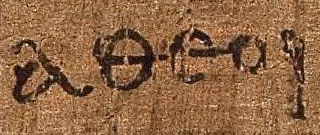 | ৩২০ × ১৩৫ (৪৫ কিলোবাইট) | smartcommons>Dread83 | '''From en.wikipedia''' The Greek word "atheoi" ("[those who are] without god") as it appears in the Epistle to the Ephesians 2:12, on the early 3rd-century Papyrus 46. This word - in any of its forms - appears nowhere else in the New |
ফাইলের ব্যবহার
এই ফাইল ব্যবহার করে এমন কোনো পাতা নেই।
