চিত্র:Io highest resolution true color.jpg

মূল ফাইল (৩,১৯৬ × ৩,১৯৬ পিক্সেল, ফাইলের আকার: ১.৮৮ মেগাবাইট, এমআইএমই ধরন: image/jpeg)
সারাংশ
| বিবরণIo highest resolution true color.jpg |
English: Original Caption Released with Image:
NASA's Galileo spacecraft acquired its highest resolution images of Jupiter's moon Io on 3 July 1999 during its closest pass to Io since orbit insertion in late 1995. This color mosaic uses the near-infrared, green and violet filters (slightly more than the visible range) of the spacecraft's camera and approximates what the human eye would see. Most of Io's surface has pastel colors, punctuated by black, brown, green, orange, and red units near the active volcanic centers. A false color version of the mosaic has been created to enhance the contrast of the color variations. The improved resolution reveals small-scale color units which had not been recognized previously and which suggest that the lavas and sulfurous deposits are composed of complex mixtures (Cutout A of false color image). Some of the bright (whitish), high-latitude (near the top and bottom) deposits have an ethereal quality like a transparent covering of frost (Cutout B of false color image). Bright red areas were seen previously only as diffuse deposits. However, they are now seen to exist as both diffuse deposits and sharp linear features like fissures (Cutout C of false color image). Some volcanic centers have bright and colorful flows, perhaps due to flows of sulfur rather than silicate lava (Cutout D of false color image). In this region bright, white material can also be seen to emanate from linear rifts and cliffs. Comparison of this image to previous Galileo images reveals many changes due to the ongoing volcanic activity. Galileo will make two close passes of Io beginning in October of this year. Most of the high-resolution targets for these flybys are seen on the hemisphere shown here. North is to the top of the picture and the sun illuminates the surface from almost directly behind the spacecraft. This illumination geometry is good for imaging color variations, but poor for imaging topographic shading. However, some topographic shading can be seen here due to the combination of relatively high resolution (1.3 kilometers or 0.8 miles per picture element) and the rugged topography over parts of Io. The image is centered at 0.3 degrees north latitude and 137.5 degrees west longitude. The resolution is 1.3 kilometers (0.8 miles) per picture element. The images were taken on 3 July 1999 at a range of about 130,000 kilometers (81,000 miles) by the Solid State Imaging (SSI) system on NASA's Galileo spacecraft during its twenty-first orbit. The Jet Propulsion Laboratory, Pasadena, CA manages the Galileo mission for NASA's Office of Space Science, Washington, DC. This image and other images and data received from Galileo are posted on the World Wide Web, on the Galileo mission home page at URL http://galileo.jpl.nasa.gov. Background information and educational context for the images can be found at URL http://www.jpl.nasa.gov/galileo/sepo.Čeština: Původní popisek vydaný spolu s obrázkem (výtah):
Vesmírné plavidlo Galileo získalo obrázky ve vysokém rozlišení Jupiterova měsíce Io 3. července 1999 během jeho největšího přiblížení od Galileova vypuštění oběžnou dráhu ke konci roku 1995. Tato barevná mozaika používá spektrum blízko infračervené oblasti, zelené a fialové filtry (o trochu víc než oblast viditelného spektra) z kamery plavidla a aproximuje, co by asi vidělo lidské oko. Většina Iova povrchu má pastelové barvy, rozkouskované černými, hnědými, zelenými, oranžovými a červenými jednotkami poblíž aktivních sopečných center. Byla zhotovena verze s „falešnými“ barvami této mozaiky, aby zvýraznila kontrast těchto barevných variant. 日本語: 画像に添付されたキャプションより(要約):NASAのガリレオが1999年7月3日に取得した木星の衛星イオの画像。1995年末の軌道投入以来の最高解像度である。このカラー合成写真は人間の目に見える画像に近似し、宇宙船のカメラの (可視範囲より少し広い) 近赤外、緑、紫のフィルタを使用した。イオの表面の大部分はパステルカラーで、活発な火山の火口周辺を黒、茶色、緑、オレンジ、赤の固まりが彩る。色相のコントラストを高めるため、偽の色を用いて合成画像を作成した。
解像度の改善により以前は認識されなかった小規模な色の固まりが明らかになり、堆積物が溶岩と亜硫酸塩の複雑な混合物で構成されることを示唆する (偽カラー画像の切り抜き「A」)。明るい(白っぽい)高緯度(上下の極近く)の堆積物には、透明な霜に覆われたような(切り抜き「B」)優美な品質を持つものがある。真っ赤な領域は、以前は拡散性堆積物としてのみ考慮された。しかしながら現在は、拡散性堆積物か、亀裂のような鋭い線状の特徴のある物質の両方の可能性を認められている(切り抜き「C」)。いくつかの火口部は明るくカラフルな流れを示し、おそらく珪酸塩溶岩ではなく硫黄の流れが原因(切り抜き「D」)。この領域の明るく白い物質は直線的な隆起や断崖が発していると考えられる。 この画像を以前のガリレオ画像と比較すると、進行中の火山活動による多くの変化が明らかである。 ガリレオは今年の10月からイオに2回接近する。これらフライバイ時に高解像度で撮影する被写体の大部分はここに示された半球上に見える。 北は写真の一番上に当たり、太陽は宇宙船のほぼ真後ろから表面を照らす。この照明角度は色相の画像化に適しているものの、地質を色分けする画像処理には不適である。しかしながら比較的解像度が高い(1画素当たり1.3キロメートルまたは0.8マイル相当)とイオの地表が険しい部分との組み合わせにより、地形的な陰影がここにいくらか見られる。画像の中心は北緯0.3度、西経137.5度。解像度は1ピクセルあたり1.3キロメートル (0.8マイル)。撮影日は1999年7月3日、NASAの宇宙船ガリレオのSSI (Solid State Imaging) システムにより、21周目の周回軌道上で撮影。 カリフォルニア州パサデナのジェット推進研究所はワシントンDCのNASA宇宙科学局のガリレオミッションを管理する。 ガリレオから受信したこの画像やその他の画像やデータは、ウェブ上のガリレオミッション公式サイトに掲載する。画像の背景情報と教育用素材も提供する。Español: La sonda espacial Galileo de la NASA adquirió sus imágenes de mayor resolución de Io, la luna de Júpiter, el 3 de julio de 1999 durante su paso más cercano a Io desde la inserción de la órbita a fines de 1995.
Français : La sonde Galileo de la NASA a capturé ses meilleures images de la lune de Jupiter Io le 3 Juillet 1999 pendant son passage à proximité de la lune depuis son entrée en orbite fin 1995.
Magyar: A NASA Galileo űrszondájának 1999. július 3-án készült legnagyobb felbontású képe a Jupiter holdjáról, az Ióról
Македонски: Јупитеровата месечина Ија, сликана од леталото „Галилео“, 1999 г.
Nederlands: Afbeelding in ware kleuren van Io, een van de manen van de planeet Jupiter. De foto's waaruit de afbeelding is opgebouwd, zijn gemaakt door de ruimtesonde Galileo, genoemd naar de ontdekker van deze maan: Galileo Galilei
Polski: Wysokiej rozdzielczości fotografia Io, księżyca Jowisza, wykonana 3 lipca 1999 roku przez sondę Galileo podczas jej najbliższego przelotu koło Io od momentu wejścia sondy na orbitę Jowisza pod koniec 1995 roku.
Português: A sonda espacial Galileo da NASA captou as imagens de maior resolução de Io, a lua de Júpiter, em 3 de julho de 1999 durante sua passagem mais próxima por Io desde a sua órbita de inserção, no final de 1995. |
||
| তারিখ | |||
| উৎস |
http://photojournal.jpl.nasa.gov/catalog/PIA02308
|
||
| লেখক | NASA / JPL / University of Arizona | ||
| অন্যান্য সংস্করণ |
.jpg) File:Io highest resolution true color (CDS).jpg File:Io highest resolution true color (CDS).jpg |

মূল্যায়ন
|


.jpg)



|
এই ছবিটিকে মূল্যবান চিত্রের মানদণ্ড অনুযায়ী মূল্যায়ন করা হয়েছে এবং এটিকে: Io পরিধির অধীনে কমন্স সবচেয়ে মূল্যবান চিত্র হিসেবে গণ্য করা হয়েছে। আপনি এটির মনোনয়ন এখানে দেখতে পারেন। |


|
এই ছবিটি উইকিমিডিয়া কমন্সে ১৫ জুলাই ২০১৯-এর আজকের নির্বাচিত ছবি হিসেবে নির্বাচিত হয়েছে। নিম্নে এর ক্যাপশন রয়েছে: English: NASA's Galileo spacecraft acquired its highest resolution images of Jupiter's moon Io on 3 July 1999 during its closest pass to Io since orbit insertion in late 1995. অন্যান্য ভাষা:
Čeština: Planetární sonda Galileo pořídila snímky Jupiterova měsíce Io s nejlepším rozlišením dne 3. července roku 1999 během svého nejtěsnějšího přiblížení k oběžné dráze tohoto měsíce od počátku své funkce u planety Jupiter v roce 1995. English: NASA's Galileo spacecraft acquired its highest resolution images of Jupiter's moon Io on 3 July 1999 during its closest pass to Io since orbit insertion in late 1995. Español: La sonda espacial Galileo de la NASA adquirió sus imágenes de mayor resolución de Io, la luna de Júpiter, el 3 de julio de 1999 durante su paso más cercano a Io desde la inserción de la órbita a fines de 1995. Français : La sonde Galileo de la NASA a capturé ses meilleures images de la lune de Jupiter Io le 3 Juillet 1999 pendant son passage à proximité de la lune depuis son entrée en orbite fin 1995. Magyar: A NASA Galileo űrszondájának 1999. július 3-án készült legnagyobb felbontású képe a Jupiter holdjáról, az Ióról Nederlands: Afbeelding in ware kleuren van Io, een van de manen van de planeet Jupiter. De foto's waaruit de afbeelding is opgebouwd, zijn gemaakt door de ruimtesonde Galileo, genoemd naar de ontdekker van deze maan: Galileo Galilei Polski: Wysokiej rozdzielczości fotografia Io, księżyca Jowisza, wykonana 3 lipca 1999 roku przez sondę Galileo podczas jej najbliższego przelotu koło Io od momentu wejścia sondy na orbitę Jowisza pod koniec 1995 roku. Português: A sonda espacial Galileo da NASA captou as imagens de maior resolução de Io, a lua de Júpiter, em 3 de julho de 1999 durante sua passagem mais próxima por Io desde a sua órbita de inserção, no final de 1995. Македонски: Јупитеровата месечина Ија, сликана од леталото „Галилео“, 1999 г. |
লাইসেন্স প্রদান
| Public domainPublic domainfalsefalse |

|
এই ফাইলটি পাবলিক ডোমেইনে আছে কারণ এটি শুধুমাত্র নাসা কর্তৃক নির্মিত হয়েছিল। নাসার কপিরাইট নীতি হচ্ছে যে "নাসা কর্তৃক উল্লেখ না থাকলে নাসার উপাদান কপিরাইট দ্বারা সুরক্ষিত নয়"। (Template:PD-USGov, নাসার কপিরাইট নীতির পাতা অথবা জেপিএল চিত্র ব্যবহারের নীতি দেখুন।) |  |
 |
সতর্কবার্তা:
|
| Annotations InfoField | This image is annotated: View the annotations at Commons |

ক্যাপশন
ফাইলের ইতিহাস
যেকোনো তারিখ/সময়ে ক্লিক করে দেখুন ফাইলটি তখন কী অবস্থায় ছিল।
| তারিখ/সময় | সংক্ষেপচিত্র | মাত্রা | ব্যবহারকারী | মন্তব্য | |
|---|---|---|---|---|---|
| বর্তমান | ১১:৩০, ২১ আগস্ট ২০১৮ | 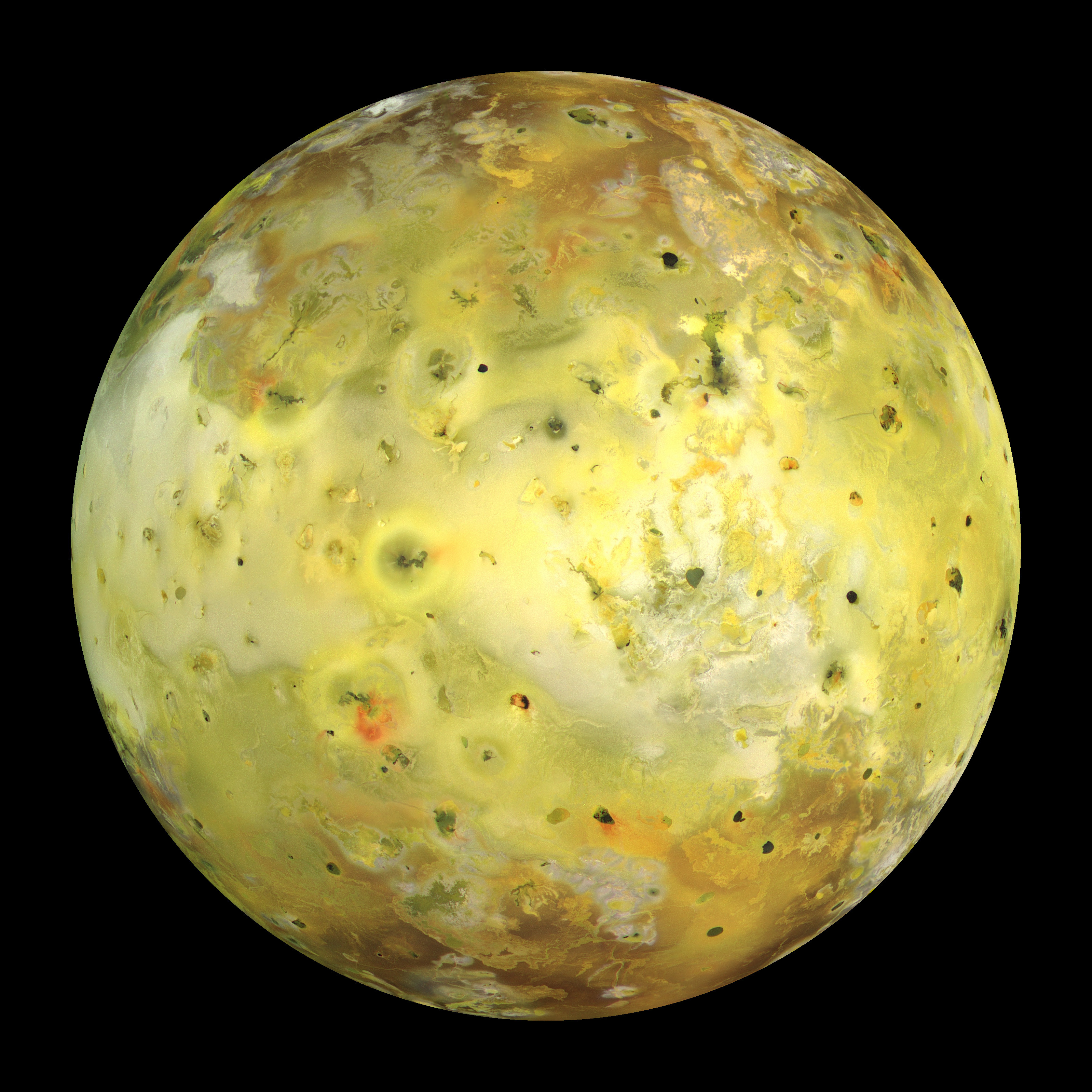 | ৩,১৯৬ × ৩,১৯৬ (১.৮৮ মেগাবাইট) | smartcommons>The NMI User | Reverted to version as of 23:57, 14 July 2018 (UTC): Needs margins from Kaldari because the crops are too close on all sides in this photo. |
ফাইলের ব্যবহার
এই ফাইল ব্যবহার করে এমন কোনো পাতা নেই।
