চিত্র:Jingangjing.jpg

মূল ফাইল (৪,৯১৭ × ৩,৪৩৮ পিক্সেল, ফাইলের আকার: ১০.৩৮ মেগাবাইট, এমআইএমই ধরন: image/jpeg)
সারাংশ
| বিবরণJingangjing.jpg |
English: Frontispiece, Diamond Sutra from Cave 17, Dunhuang, ink on paper.
A page from the Diamond Sutra, printed in the 9th year of Xiantong Era of the Tang dynasty, i.e. 868 CE. Currently located in the British Library, London. This sutra was discovered at the Mogao Caves in Dunhuang, but probably printed in Sichuan (see "Printed dated copy of the Diamond Sutra"). According to the British Library, it is “the earliest complete survival of a dated printed book”. British Library Or.8210/P.2Deutsch: Seite des Diamant-Sutra. Gedruckt im 9. Jahr der Ära Xiántōng der Tang-Dynastie (868 n. Chr.) ist es das weltweit älteste vollständig erhaltene, sicher zu datierende Exemplar des Buchdrucks. |
| তারিখ | (date of Diamond Sutra) |
| উৎস | Zoomable image from the British Library's Online Gallery. Originally uploaded to en:Wikipedia (log) in January 2008 by Fconaway (talk) and in November 2009 by Earthsound (talk). |
| লেখক |
English: The colophon, at the inner end, reads: Reverently [caused to be] made for universal free distribution by Wang Jie on behalf of his two parents on the 13th of the 4th moon of the 9th year of Xiantong [i.e. 11th May, CE 868 ]. |
| অন্যান্য সংস্করণ |
এই ফাইলের উপজাত কর্মসমূহ: Diamond Sutra excerpt.jpg এই ফাইলের উপজাত কর্মসমূহ: Subhuti diamond sutra detail retouched.jpeg |
মূল্যায়ন
|


লাইসেন্স প্রদান
|
This is a faithful photographic reproduction of a two-dimensional, public domain work of art. The work of art itself is in the public domain for the following reason:
The official position taken by the Wikimedia Foundation is that "faithful reproductions of two-dimensional public domain works of art are public domain".
This photographic reproduction is therefore also considered to be in the public domain in the United States. In other jurisdictions, re-use of this content may be restricted; see Reuse of PD-Art photographs for details. | |||||


ক্যাপশন
ফাইলের ইতিহাস
যেকোনো তারিখ/সময়ে ক্লিক করে দেখুন ফাইলটি তখন কী অবস্থায় ছিল।
| তারিখ/সময় | সংক্ষেপচিত্র | মাত্রা | ব্যবহারকারী | মন্তব্য | |
|---|---|---|---|---|---|
| বর্তমান | ১৬:১৯, ২৫ নভেম্বর ২০০৯ | 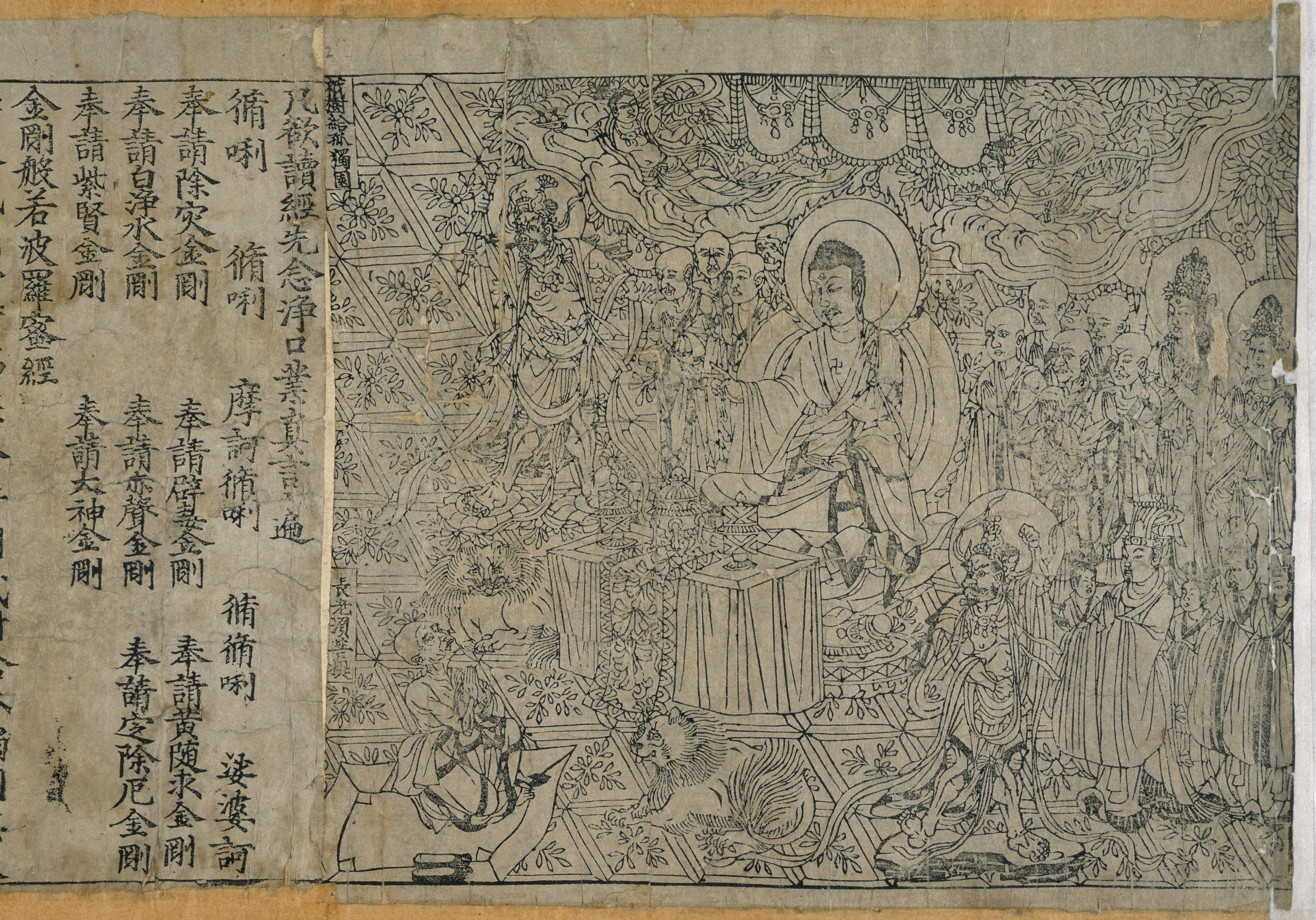 | ৪,৯১৭ × ৩,৪৩৮ (১০.৩৮ মেগাবাইট) | smartcommons>Earthsound | higher resolution version on en.wikipedia |
ফাইলের ব্যবহার
এই ফাইল ব্যবহার করে এমন কোনো পাতা নেই।
